How PCOS-Friendly Meal Packs Can Help Manage Symptoms and Boost Wellness

How PCOS-Friendly Meal Packs Can Help Manage Symptoms and Boost Wellness
Living with PCOS can feel overwhelming, but the right diet can make a world of difference. Polycystic Ovary Syndrome (PCOS) affects millions of women worldwide, often causing symptoms like weight gain, hormonal imbalances, and insulin resistance. While there’s no cure, research shows that a balanced, nutrient-rich diet can help manage symptoms effectively.
That’s where our PCOS-friendly meal packs come in. Designed with your health in mind, these meals are tailored to support hormonal balance, stabilize blood sugar levels, and promote overall wellness.
Why Diet Matters for PCOS
Nutrition plays a key role in managing PCOS. Studies suggest that a diet low in refined carbs and high in fiber, lean protein, and healthy fats can help regulate insulin levels and reduce inflammation. For example, a study published in the Journal of the Academy of Nutrition and Dietetics found that women with PCOS who followed a low-glycemic diet experienced significant improvements in insulin sensitivity and weight management.
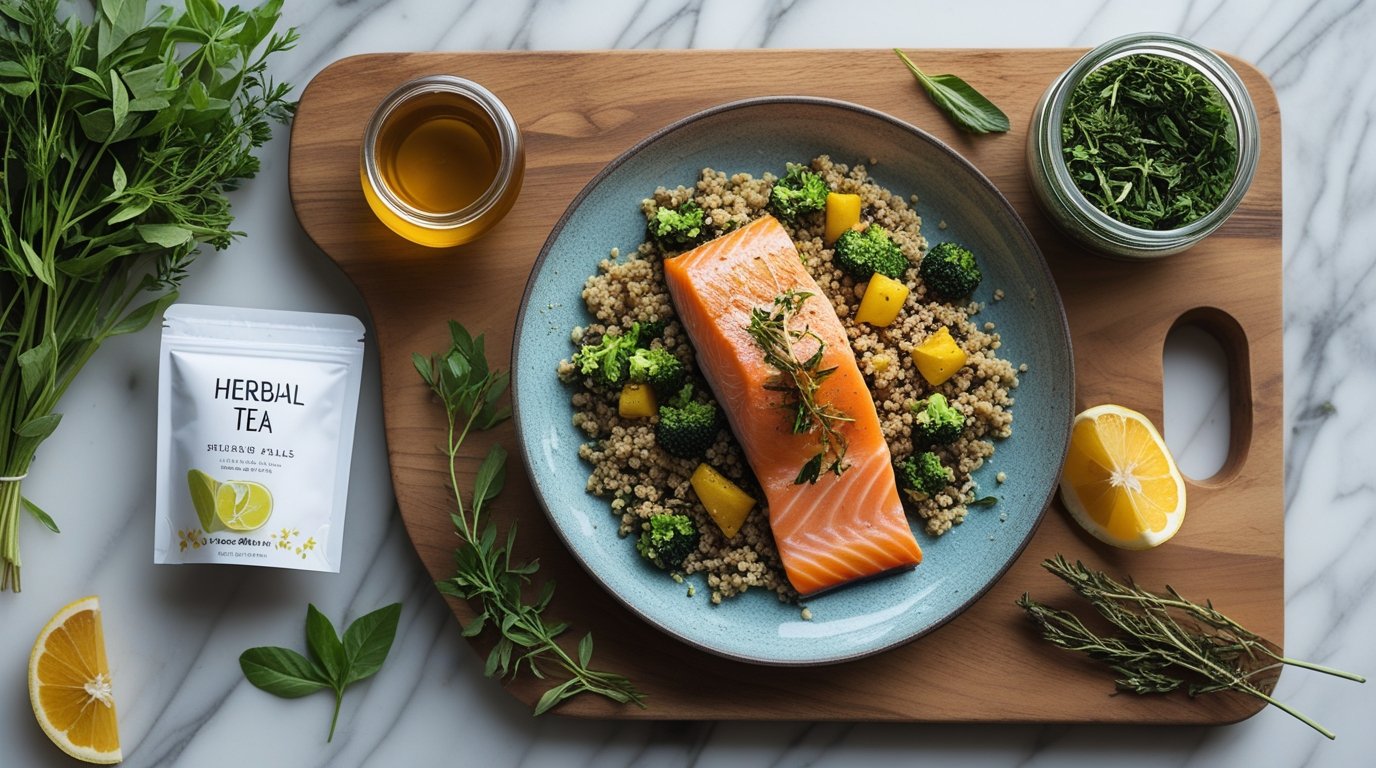
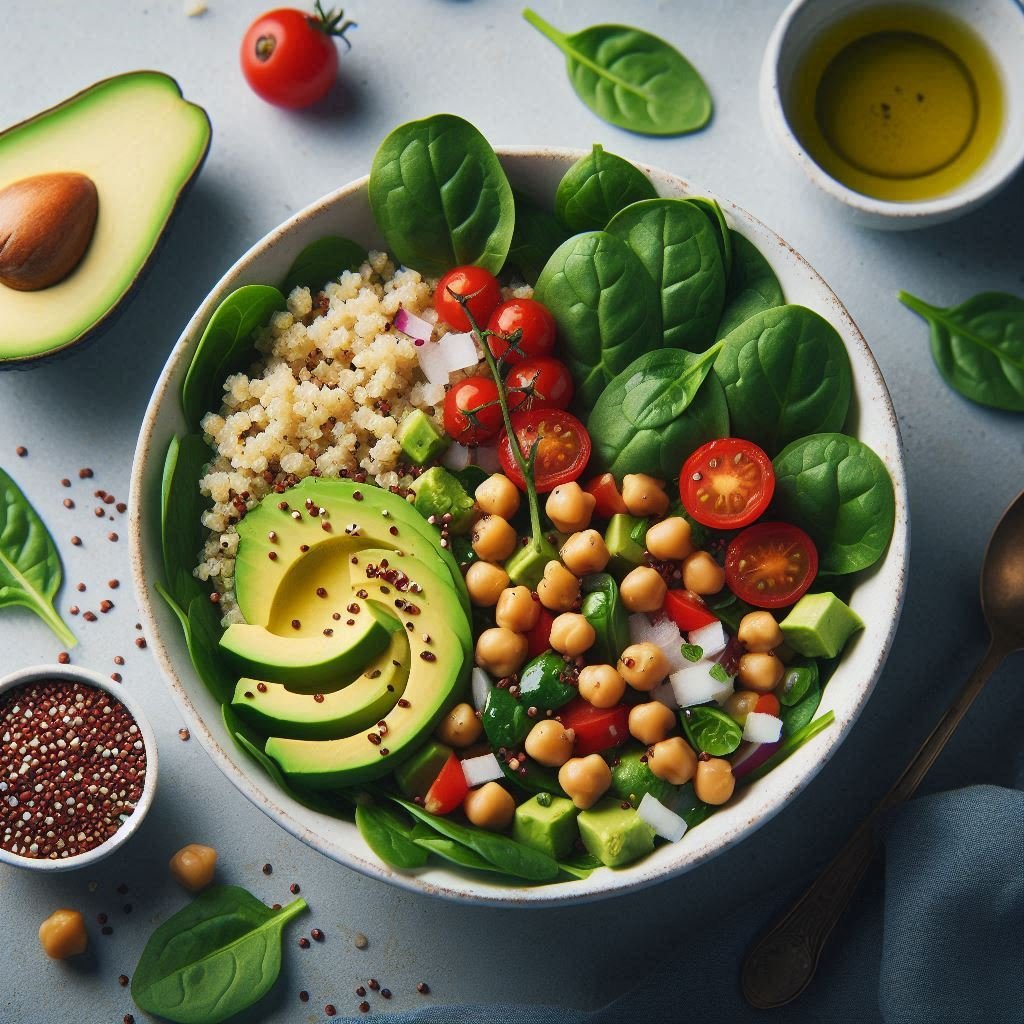
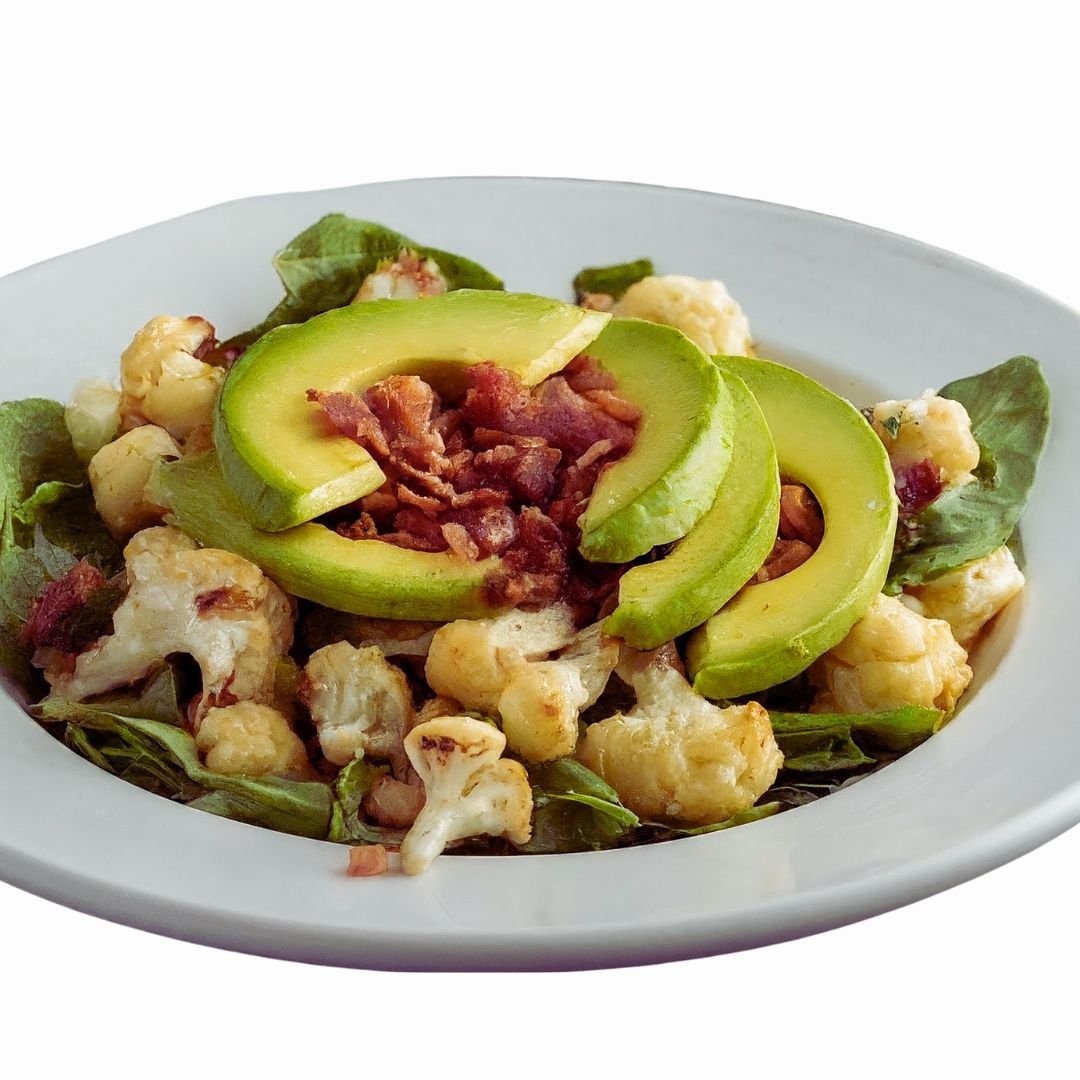
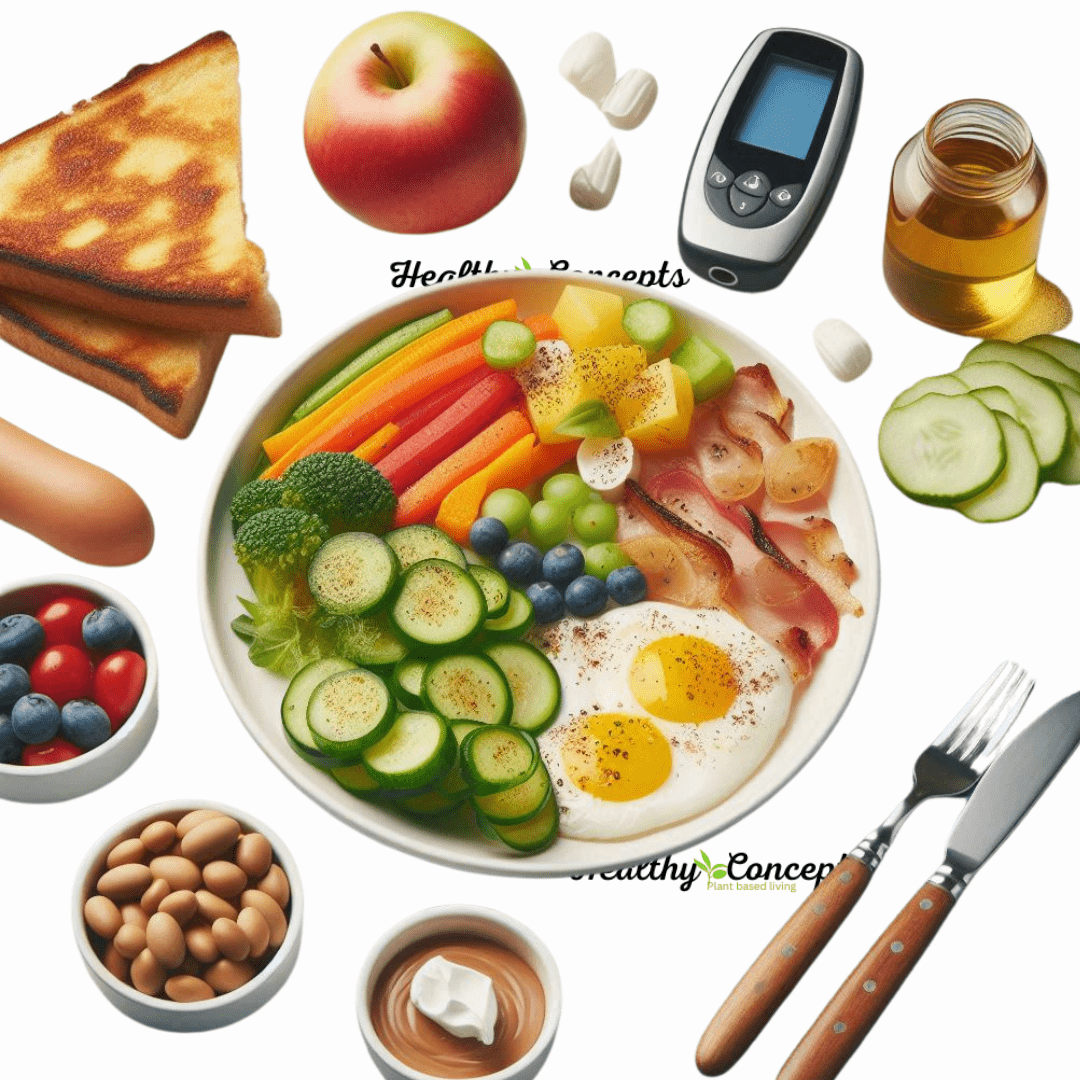
Our meal packs are crafted with these principles in mind, offering delicious, low-glycemic options that make healthy eating simple and stress-free.
What Makes Our PCOS-Friendly Meals Unique?
Every bite is designed to support your health goals. Our meals are:
- Low-glycemic: To help stabilize blood sugar levels.
- Rich in fiber: To aid digestion and keep you feeling full.
- Packed with nutrients: To support hormonal balance and overall wellness.
Whether you’re managing weight, reducing inflammation, or simply eating healthier, our meal packs are here to help.
Take the First Step Toward Better Health
Ready to take control of your PCOS symptoms? Our freshly cooked or frozen meal packs are convenient, customizable, and delivered straight to your door. Start your journey to better health today!
References
1. Marsh, K. A., Steinbeck, K. S., Atkinson, F. S., Petocz, P., & Brand-Miller, J. C. (2010). Effect of a low glycemic index compared with a conventional healthy diet on polycystic ovary syndrome. Journal of the Academy of Nutrition and Dietetics, 110(4), 520-527. https://doi.org/10.1016/j.jada.2009.12.018
2. Harvard T.H. Chan School of Public Health. (n.d.). The nutrition source: Carbohydrates and blood sugar. Retrieved from https://www.hsph.harvard.edu/nutritionsource/carbohydrates/carbohydrates-and-blood-sugar/
Make Your Business Online By The Best No—Code & No—Plugin Solution In The Market.
30 Day Money-Back Guarantee
Say goodbye to your low online sales rate!
What is PCOS, and how does it affect the body?
Polycystic Ovary Syndrome (PCOS) is a hormonal disorder common among women of reproductive age. It can cause irregular periods, excess androgen levels (leading to symptoms like acne and hair growth), and polycystic ovaries. PCOS is also linked to insulin resistance, which can lead to weight gain, difficulty losing weight, and an increased risk of type 2 diabetes.
Can diet really help manage PCOS symptoms?
Yes, diet plays a crucial role in managing PCOS symptoms. A balanced diet that’s low in refined carbs and high in fiber, lean protein, and healthy fats can help regulate insulin levels, reduce inflammation, and support hormonal balance. For example, studies show that a low-glycemic diet can improve insulin sensitivity and aid weight management in women with PCOS.
What foods should I avoid if I have PCOS?
If you have PCOS, it’s best to avoid foods that can spike blood sugar levels or increase inflammation. These include: Refined carbohydrates (e.g., white bread, pastries) Sugary drinks and snacks Processed foods high in trans fats Excessive dairy (for some women, dairy can worsen hormonal imbalances) Instead, focus on whole, nutrient-dense foods like vegetables, lean proteins, healthy fats, and low-glycemic fruits.